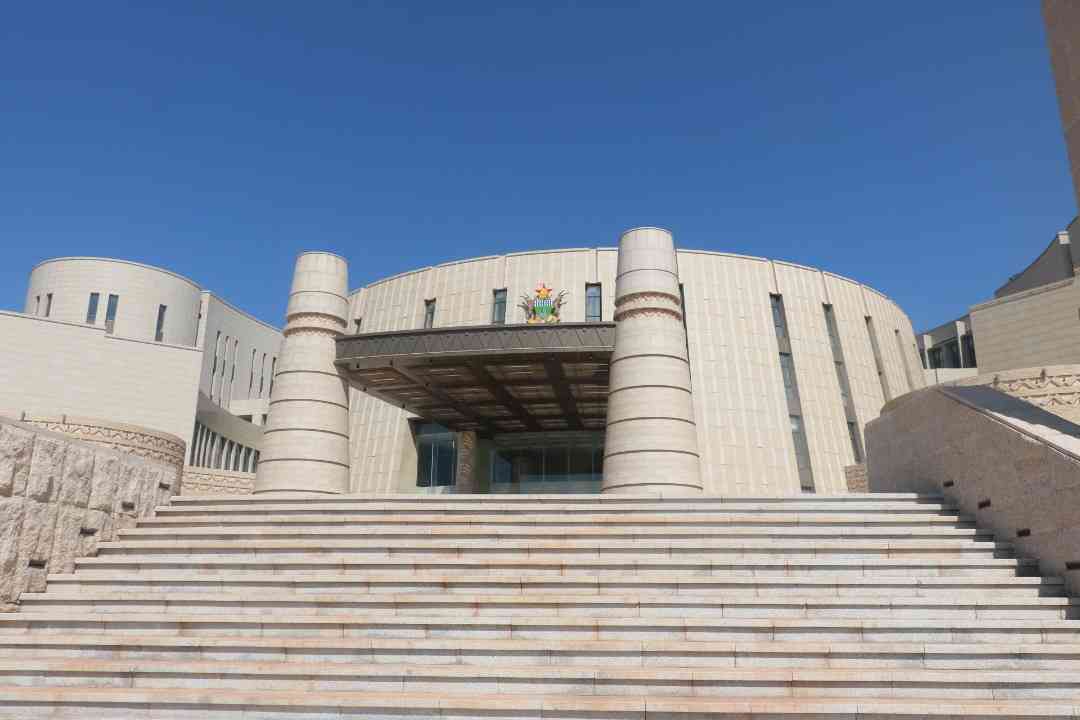
Zanu PF and the Citizens Coalition for Change (CCC), led by self-imposed secretary-general Sengezo Tshabangu, are already planning another round of constitutional amendments that could turn Zimbabwe into a one-party state. Tshabangu and the ruling party are currently hammering out a deal on the Constitutional Amendment Bill No. 3 (CAB3), which seeks to extend President Emmerson Mnangagwa’s stay in power by two years.
This publication can now exclusively reveal that Tshabangu’s camp and Zanu PF negotiators have been engaged in behind-the-scenes discussions that go beyond the controversial CAB3 to what has been termed Constitutional Amendment Bill No. 4 (CAB4). The proposal has been framed as ushering in a "government of national consensus" and eventually a "no-party state".
This comes amid concerns from critics that CAB3 is not about constitutional reforms, but forms part of a broader political arrangement that could further weaken opposition politics and bury prospects of a political comeback by former CCC leader Nelson Chamisa. Chamisa resigned from the CCC in January 2024 after Tshabangu's dramatic takeover of the party following the disputed August 2023 elections—a development that triggered recalls of elected MPs and councillors and plunged the opposition into turmoil.
Sources familiar with the negotiations said Tshabangu has been holding talks with senior Zanu PF officials, including Speaker of Parliament Jacob Mudenda (who is also the ruling party's secretary for legal affairs), Justice minister Ziyambi Ziyambi, and other high-ranking figures.
It has been established that Tshabangu's support for CAB3 is tied to demands for what he calls a "government of national consensus", in which his camp would play a significant role.
Sources said Tshabangu's camp is pushing for influence over four key ministries — Education, Health, Public Service, and Foreign Affairs — as part of a broader political settlement post-CAB3.
The negotiations reportedly prompted both parties to slow the progress of CAB3 in the National Assembly to allow room for dialogue over contentious provisions. The CAB3 Bill will go for a vote this week. Among the clauses under discussion between Zanu PF and Tshabangu are Sections 4, 9, and 10 of the Bill, which seek to extend the tenure of the current Parliament and local authorities by two years. The government has defended the provisions as necessary to eliminate what it calls "election mode toxicity", create political stability, and allow sufficient time for long-term development programmes.
The amendments would replace the current five-year electoral cycle with a seven-year term through changes to Sections 95, 143, and 158 of the constitution.
- Chamisa party defiant after ban
- Village Rhapsody: How Zimbabwe can improve governance
- News in depth: Partisan police force persecutes opposition, shields Zanu PF rogue elements
- Chamisa chilling death threat bishop defiant
Keep Reading
In an exclusive interview with The Standard, Tshabangu's spokesperson Nqobizitha Mlilo confirmed that negotiations with Zanu PF were ongoing.
"We are near agreement, but we are still far. So we hope they get closer," Mlilo said. "The negotiations are encouraging; we are near, but we are still too far."
While legislators aligned with Tshabangu have been speaking in support of CAB3 in Parliament, CCC MPs loyal to Jameson Timba have mounted fierce opposition to the Bill.
Mlilo said discussions had already shifted towards what he described as CAB4, centred on "generational transition" and the creation of a national governance covenant that would transcend political parties.
He argued that Zimbabwe's political conflicts since 2000 reflected a struggle between the liberation war generation and those born after independence or with no connection to the liberation struggle.
According to Mlilo, CAB3 should pave the way for a government of national consensus focused on free education, quality healthcare, social protection, improved conditions for civil servants, and a new foreign policy framework. He said the ultimate objective was to create a political system where governance priorities, rather than electoral competition, become the central focus.
*Read full article on www.standard.co.zw