
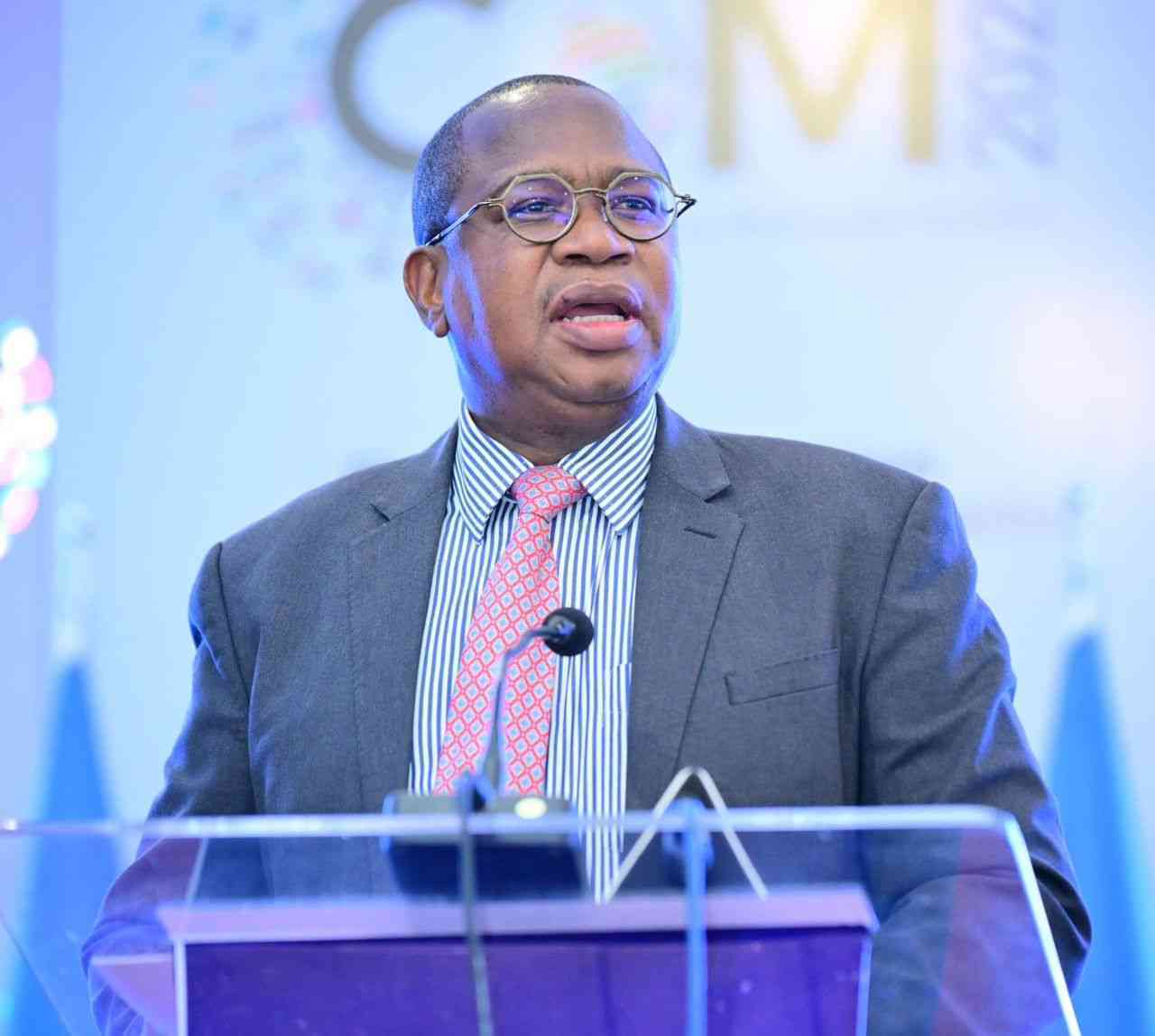
ONE of the greatest weaknesses any public official may display is a failure to listen in as much as they remain policymakers. The noise and presentations from industry bodies, who feel the extent of the impact of a tanking economy.
The Confederation of Zimbabwe Industries (CZI), Zimbabwe National Chamber of Commerce (ZNCC), as well as the Confederation of Zimbabwe Retailers (CZR) have all warned the government over multiple taxes as well as the timelines around the obtaining mono-currency push.
However, in the 2026 National Budget presented last Thursday, Finance, Economic Development and Investment Promotion minister Mthuli Ncube not only ignored the realities on the ground but also contradicted two key functions of his cabinet portfolio — economic development and investment promotion. Through the introduction of more taxes and maintaining existing ones, Ncube does not seem to care about national economic development, which is a consequence of an optimally-performing industry.
The key incentive to investment is favourable policies that enable those who put their money to make profit. As a public official superintending over economic affairs of the country, Ncube is expected to listen to bodies such as the CZI, ZNCC and CZR.
Zimbabwe, which already ranks as one of the most heavily-taxed countries in the region, introduced an assortment of taxes on both citizens and businesses.
Ncube maintained the sugar tax, which has been a source of grumbling among businesses. Beverages manufacturer Delta currently has issues with the Zimbabwe Revenue Authority over sugar tax.
The Treasury chief refused to bow to demands from the business sector to scrap the Intermediated Money Transfer Tax (IMTT) which he reduced to 1,5% from 2% for ZiG transactions in the 2026 budget. However, the minister increased value-added tax to 15,5% from 15%. Already the IMTT had the effect of pushing people into using cash instead of electronic transactions, a direct contradiction with the government’s push for a cashless society.
Economists have warned that the VAT increase is set to worsen an already high-tax environment with Zimbabwean businesses smarting from the burden of many taxes and regulatory fees, tolling charges as well as operating licence requirements.
- Mthuli Ncube abandons struggling consumers
- Fears of jobs carnage as crisis deepens
- Fresh warning over bank rate hikes
- Police admit that money changers are untouchable
Keep Reading
Citizens will also be taxed for US dollar withdrawals over US$500 for individuals and above US$5 000 for businesses while an entirely new tax, the Digital Services withholding tax, was also introduced.
Ncube’s budget does not seem to reflect any job creation in a country whose formal unemployment figures are hovering over 80%, a clear sign of where the government’s priorities lie. As long as this trend continues, Zimbabwe is creating more illegal immigrants into neighbouring countries such as South Africa and Botswana among others.
The budget appears to be against the concept of regenerating a working class, it is a taxation budget which piles more and more taxes on its citizens and businesses.
Already, most of the unemployed have been pushed into informal activities such as vending in order to survive.
However, the government is struggling to regulate vending, which currently doesn't benefit the fiscus. Unless the minister gets the economy’s fundamentals back on track, Zimbabwe will remain a sinking ship.
The government needs to create certainty — both political and economic — which will no doubt spur business, thereby courting investment. This certainty and transparency will unite people, resulting peace and stability, which will birth unparalleled progress. Currently, no one knows where Zimbabwe is heading; there is no direction at present.
Ironically, Ncube made stunning pronouncements in Bulawayo during a budget consultative meeting that the majority of Zimbabweans are now middle income, living on about US$9 per day — in essence the biggest absurdity we have seen in a long time.
Besides making fun of everyone gathered there, the statements also made a mockery of the collective wisdom of suffering Zimbabweans. People struggle to access quality health care services and hospitals are in dire need of essential drugs and equipment yet officials claim the country is middle-income and will be upper middle income by next year.
The minister’s statements were made to lay credence to the claim that Vision 2030 has been achieved well ahead of time, an achievement that will obviously boost those behind Agenda 2030.
In the middle of all this is the 2030 agenda push, which is a test on the constitution all Zimbabweans agreed to in 2013. People are facing more hardships on a daily basis and yet the democracy they have always heard being preached is being tainted by greed. People’s lives matter. Zimbabweans’ constitutional rights matter.
Zimbabweans are not blind. They can tell whether their living standards have improved or not. They do not need to be told about this.
The minister is living in cloud cuckoo land and should quickly visit Zimbabwean rural areas to see first-hand ordinary citizens grinding a living out there instead of hallucinating, predicting an upper middle-income economy by next year, which will remain delusional.
We know Ncube is trying to shape a specific narrative aimed at preparing people’s psyches to support the much-hyped mono-currency. However, he must be reminded that currencies, such as the many experiments Zimbabwe has diced with in the past, gain traction naturally, not by law. As long as it is not market-driven it is doomed. As things stand, the de-dollarisation talk is already hurting business confidence, access to credit and investment.
The minister wanted to create an optimistic narrative, which is sadly not backed by the reality on the ground, where Zimbabweans are enduring unprecedented poverty while the elites and other politically-connected individuals live large in the midst of this poverty.
When a whole government minister ignores reality, then there is a disconnect somewhere, especially when authorities remain blind to the poverty and growing inequalities in the country. The minister must quickly move out of his world of abstracts and join everyone out here where is not visualised but is actually lived, day in, day out.
Wilson is the founder and leader of the Democratic Official Party.