THE National Blood Services of Zimbabwe says national blood stocks remain stable at four days' cover, even as supply falls slightly short of the recommended five-day buffer.
Zimbabwe requires a minimum reserve of 1 600 units of blood at any given time to guarantee adequate national coverage.
NBSZ measures its targets in "days of cover,"aiming for at least a five-day supply of all blood and blood products nationwide.
Authorities, led by the Health and Child Care ministry, constantly run campaigns to sustain stocks.
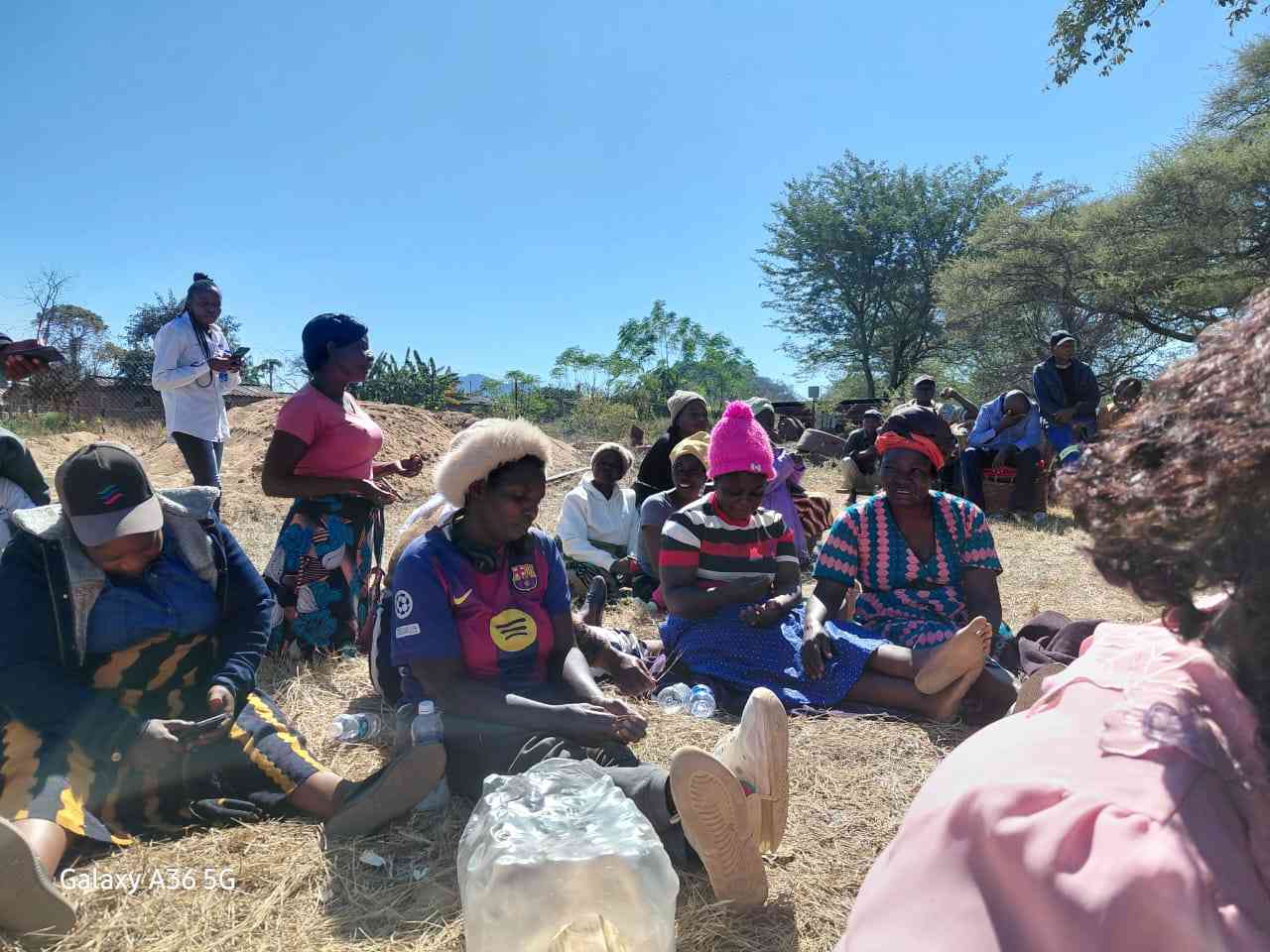
Speaking during the World Blood Donor Day commemorations held at Zimbabwe Prison and Correctional Services Ntabazinduna Training School on Friday last week, NBSZ chief executive Lucy Marowa said the nation should not panic.
“As of now, we are looking at four days of blood stock supply across all blood groups,” she said.
“At four days of blood stock supply, we are not panicking at all, for today our target is 600 units. It helps to stabilise the blood banks.”
Marowa said more than 10 schools were invited to participate in a blood donation drive at the event, adding that blood stocks typically improve during the school calendar.
- NBSZ appeals for more blood donations
- PR executives push for stake in the boardroom
- ‘Testing delay affecting blood availability’
- ‘Blood not for sale in public hospitals’
Keep Reading
“We hope that in the next two weeks we will be having a seven-day blood stock supply, which will be an excess,” she said.
Marowa, however, revealed that Zimbabwe requires about 415 units of blood per day, split across different blood groups according to demand ratios.
She explained that when they say they are happy with five days of supply, they will be having about 2 000 units placed according to blood groups, such as O, A and B, respectively, as per their ratios.
Marowa said the 2025 statistics revealed that youths contributed 55% of blood stock supplies, while the other 45% was from adults.
She said NBSZ was targeting youths so that they took the initiative into adulthood.
She said the shift had changed from 70% to 55% due to education and awareness programmes targeting adults.
“The challenge we have had is that misinformation has led to superstitions that blood is used for ritual purposes,” she said.
Marowa, however, expressed concern that religious beliefs are clouding people's judgement, adding that the organisation explained to people with the hope of demystifying the misconceptions.
“Some say it destroys sexual potency at home, while others believe that it kills one's fertility,” she said.