
THE African Development Bank (AfDB) has flagged illicit financial flows (IFFs) as a major drain on Zimbabwe’s economy, estimating annual losses of more than US$2 billion from mineral smuggling, trade misinvoicing, and tax evasion.
The figure is higher than earlier estimates by the Zimbabwe Anti-Corruption Commission, which put annual losses to corruption at about US$1,8 billion, pointing to a growing scale of financial leakages from the economy.
The losses, largely driven by gold smuggling and weak oversight in the mining sector, undermine government revenue, worsen fiscal pressures, and limit spending on public services and infrastructure. AfDB warns that unless Zimbabwe strengthens enforcement, transparency, and cross-border cooperation, illicit outflows will continue to erode the country’s natural resource wealth and development prospects.
The scale of the losses was outlined in AfDB’s Governance of Natural Resources in Transition and Fragile States policy brief for Zimbabwe, published last month.
“IFFs continue to be a significant obstacle to Zimbabwe’s fiscal resilience and sustainable development,” the bank said.
- Emcoz demands urgent fix to digital tax law
- Sharpe academy targets Ivy League calibre
- Dokwe drilling sparks global investor frenzy
- Vic Falls Safari Collection absorbs 15,5% VAT on rooms, passes on to super deals
- Invictus appoints CFO as joint company secretary
“From 2015 to 2023, estimated annual losses from mineral smuggling, trade misinvoicing, and tax evasion surpassed US$2 billion, with gold and chrome among the most affected commodities.”
AfDB attributed the problem to weak institutional capacity, fragmented data systems, and limited coordination among enforcement agencies, which continue to hamper effective detection and prosecution.
However, AfDB noted emerging signs of political commitment to reform, citing the 2024 revision of the Mines and Minerals Act and a proposed ban on raw mineral exports aimed at improving transparency and retaining value locally.
Zimbabwe has also signalled interest in greater transparency in the extractive sector, with discussions underway on joining or aligning with the Extractive Industries Transparency Initiative (EITI) framework.
“Robust regional cooperation, through Sadc, the AU and other mechanisms, will be crucial for harmonising regulations, improving intelligence sharing, and effectively confronting cross-border illicit trade in extractives,” AfDB said.
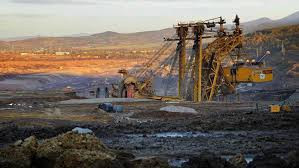
The mining sector — particularly gold — was identified as the main driver of illicit financial flows. According to the bank, gold smuggling accounts for more than 60% of total IFFs, with annual losses estimated at US$1,5 billion. Unregulated buyers and illegal cross-border transactions were cited as key enablers.
While Zimbabwe has governance frameworks such as the Environmental Management Act and the Anti-Money Laundering and Combating of Financing of Terrorism Act, AfDB said enforcement remains inconsistent and fragmented.
“The outdated Mines and Minerals Act urgently needs revision to address modern challenges in resource management,” AfDB said in its diagnostic report.
To curb leakages, AfDB called for the establishment of an integrated IFF monitoring system linking customs, taxation, and financial intelligence databases. It also recommended the use of digital tools, including block chain and artificial intelligence-based analytics, to improve real-time mineral traceability.
Survey respondents further highlighted the need for enhanced traceability mechanisms and the establishment of specialised mineral courts to fast-track mining-related disputes and strengthen regulatory compliance.
According to AfDB estimates, cumulative illicit financial flows between 2009 and 2023 exceeded US$12 billion, equivalent to roughly 30% of Zimbabwe’s gross domestic product over the same period.
Weak border management systems, poor coordination between customs and law enforcement agencies, and broader institutional weaknesses — such as limited financial transparency and accountability — continue to heighten Zimbabwe’s vulnerability to illicit trade and revenue losses, the bank
said.
Addressing these structural challenges would help Zimbabwe better protect its natural resource wealth, channel revenues toward poverty reduction and infrastructure development, and support inclusive, long-term economic growth, AfDB added.