THE government has ordered foreign companies operating in reserved sectors of the economy to submit regularisation plans by January 31 as it moves to protect local players.
The Ministry of Industry and Commerce said the regulations under Statutory Instrument (SI) 215 of 2025 are intended to protect local enterprises, promote domestic capital formation and ensure profits generated in Zimbabwe remain within the country.
SI 215 of 2025 reserves key economic sectors for indigenous Zimbabweans and sets strict conditions under which foreign investors may continue operating. The move marks a significant shift in government policy, aimed at accelerating local ownership, employment creation and value retention, while compelling existing foreign businesses to either comply, divest, or exit restricted sectors.
The regulations, gazetted in December last year, create a clearer operating framework in sectors such as retail trade, transport services, advertising, estate agencies, bakeries, tobacco grading and other service industries.
In a statement, the Ministry called on foreigners currently operating in reserved sectors to submit their regularisation plans by the end of the month.
- Caledonia clears Bilboes uncertainty as Finance Act confirms revised gold royalties
- Econet opens ZSE talks ahead of proposed delisting
- Premier secures extended deadline on Zulu lithium supply deal
- Art loss widens on discontinued operations
- Hippo prioritises exports in H2 as PAT slips
“All foreigners operating in the Reserved Sectors must submit Regularisation Plans by the 31st of January 2026 at any Ministry of Industry and Commerce office in Harare, Bulawayo, Masvingo, Mutare, Chinhoyi, Gweru, Bindura, Marondera, Gwanda, and Lupane,” it said.
The ministry said proof of payment of the Standards Development Fund (SDF) Levy is a prerequisite for submitting the regularisation plans.
To ease compliance, the government has allowed SDF Levies to be paid directly at the Ministry of Industry and Commerce offices located at Mukwati Building in Harare.
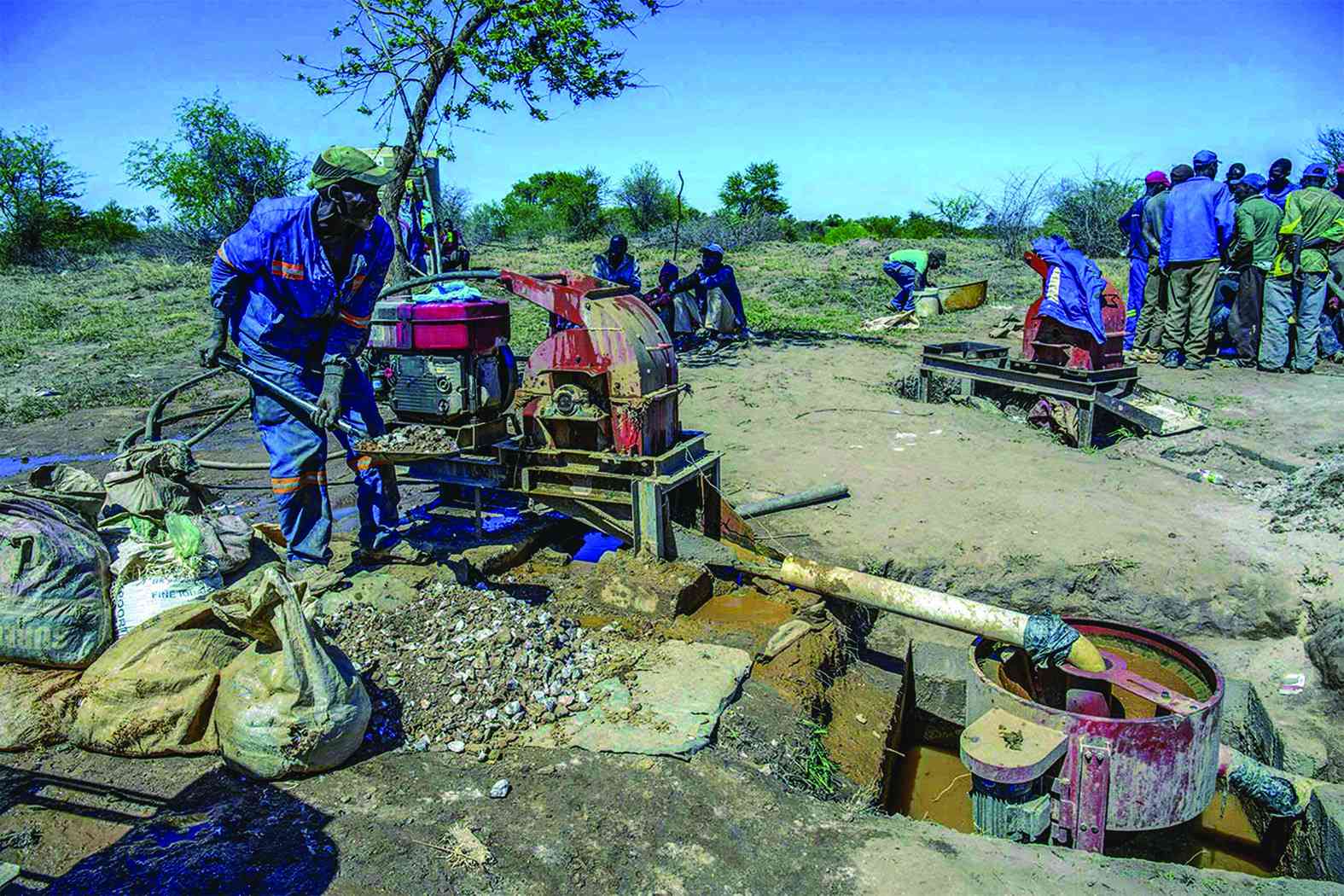
Under SI 215 of 2025, foreign entities are barred from operating in sectors such as artisanal mining, bakeries, advertising agencies, salons, employment agencies, and the local arts and crafts industry.
Foreigners wishing to operate in partially reserved sectors such as retail and haulage must meet strict investment and employment thresholds and commit to majority local ownership. In retail, foreign investors are required to invest a minimum of US$20 million and employ at least 200 full-time workers.
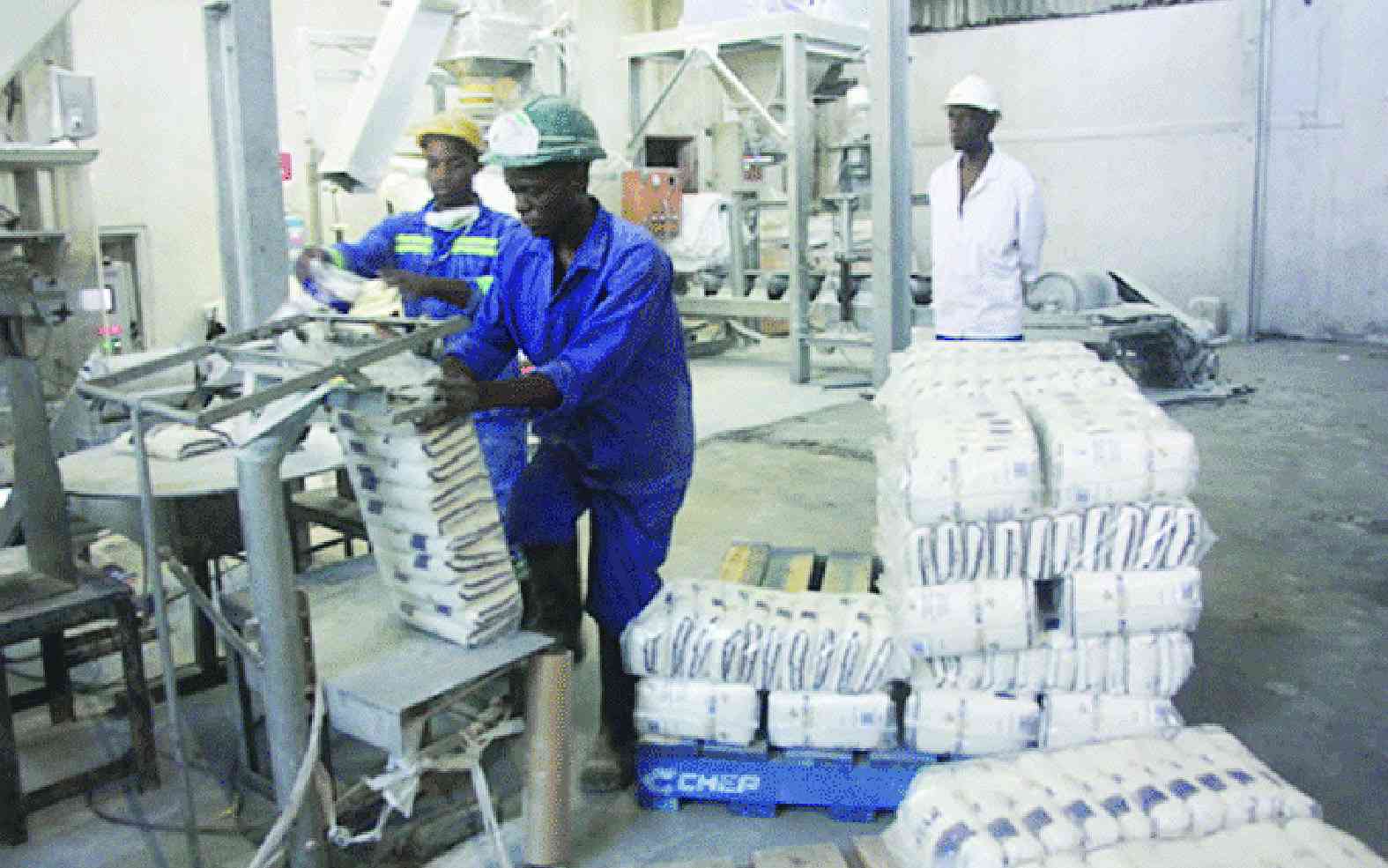
In the haulage industry, foreign firms must invest at least US$10 million and employ a minimum of 100 workers. Grain milling requires an investment of US$25 million and at least 50 employees, while shipping and forwarding firms must invest US$1 million and employ at least 20 people.
The transport, estate agency and customs clearing sectors remain exclusively reserved for Zimbabweans, with limited exceptions for established international
brands.
Existing foreign-owned businesses operating in reserved sectors have been given three years to divest, with a requirement to sell at least 75% of their shareholding to Zimbabwean citizens at a rate of 25% per year.
“Regularisation plans must be addressed to the Permanent Secretary, Ministry of Industry and Commerce,” the ministry said.