
FINANCIAL services group, Old Mutual Zimbabwe Limited (OMZ), has linked some of its assets to liabilities to hedge against the Zimbabwe Gold (ZiG) volatility, NewsDay Business can report.
This hedging strategy means that OMZ is using its greenback assets to balance its debts exposed to the ZiG. If the currency value shifts, gains, or depreciates, the assets and liabilities offset each other.
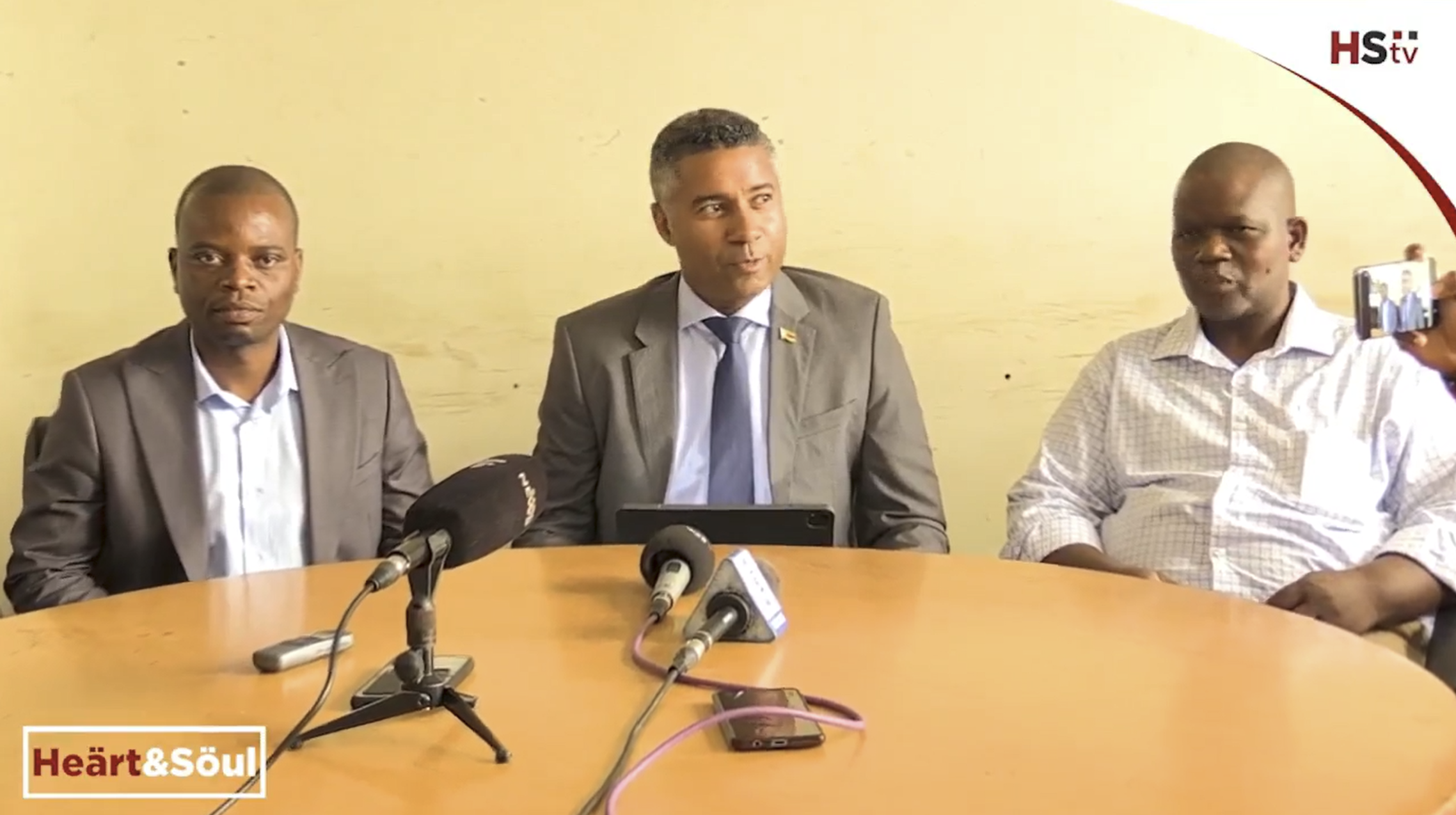
“When you have a currency devaluation, you lose some value because you are holding some assets in local currency, which then gets devalued,” OMZ chief executive officer Samuel Matsekete told NewsDay Business in an interview.
“But, in our case, you will also find that we have ways to hedge the currency risk. One way to hedge the currency risk is in the mix of how our assets are pegged by certain liabilities.”
He said such strategies allowed the firm to be insulated against the ZiG’s sharp depreciation in September last year.
- Nampak Zimbabwe profit surges 57% in FY25
- Kavango extends deadline to complete acquisition of Nara Gold
- Ariana strikes gold, secures US$5,3m boost for Zim project
- Tanganda offloads assets, axes jobs in US$7m survival bid
- ZNCC sounds alarm over inflationary VAT push
The ZiG was devalued by 44%.
OMZ’s parent company, Old Mutual Limited (OML), recently determined the ZiG currency to be hyperinflationary and announced that its local subsidiary had moved to greenback financial reporting.
However, with the Reserve Bank of Zimbabwe calling for firms to report in ZiG, this caused OMZ to shift once more to the domestic currency in its financial reporting.
Consequently, OMZ has adopted the greenback as a functional currency.
Old Mutual Limited continues to exclude Zimbabwe’s results from its overall adjusted headline earnings due to currency distortions and barriers to accessing capital by way of dividends.
Adjusted headline earnings is a key financial metric used to measure profitability while providing a more normalised view of a company’s performance, which allows investors and analysts to make more accurate comparisons with other companies.
“So, when you look at the way that we are consolidated into the group, they always look at the volatilities of markets; they look at currencies, and in this case, you do make reference to hyperinflationary currency, which is how, in terms of accounting rules, that currency is still regarded,” Matsekete said.
“We are still consolidated, but we are consolidated differently from the group. They look at us as an investment, which they would rather account for in terms of how our valuation goes up or down, but we still count in terms of the total headline earnings.
“But what you will find is that in certain key performance indicators, we get excluded for the reason of either volatilities or hyperinflation, which would be regarded as perhaps distortionary in terms of how it then informs group accounts.”
He, however, reiterated that OMZ still contributed to OML’s total headline earnings.
“Unfortunately, these are assessments about a market more than about the business itself, but we believe that as we have adopted the US dollar as a functional currency, as a market, if we should sustain stability in terms of inflation and currency, then the market assessments will support reviewing that approach to the consolidation of the business,” Matsekete said.
In OMZ’s financial results for the year ended December 31, 2024, it registered a 63,5% drop in profit after tax to ZiG724 million from the prior period, owing to these accounting distortions.
Despite this, the group managed to increase its forex inflows during the same period.