THE Insurance Institute of Zimbabwe (IIZ) has begun laying the groundwork for its 2026 initiatives, with a renewed focus on targeted skills development and closer engagement with industry stakeholders, NewsDay Business understands.
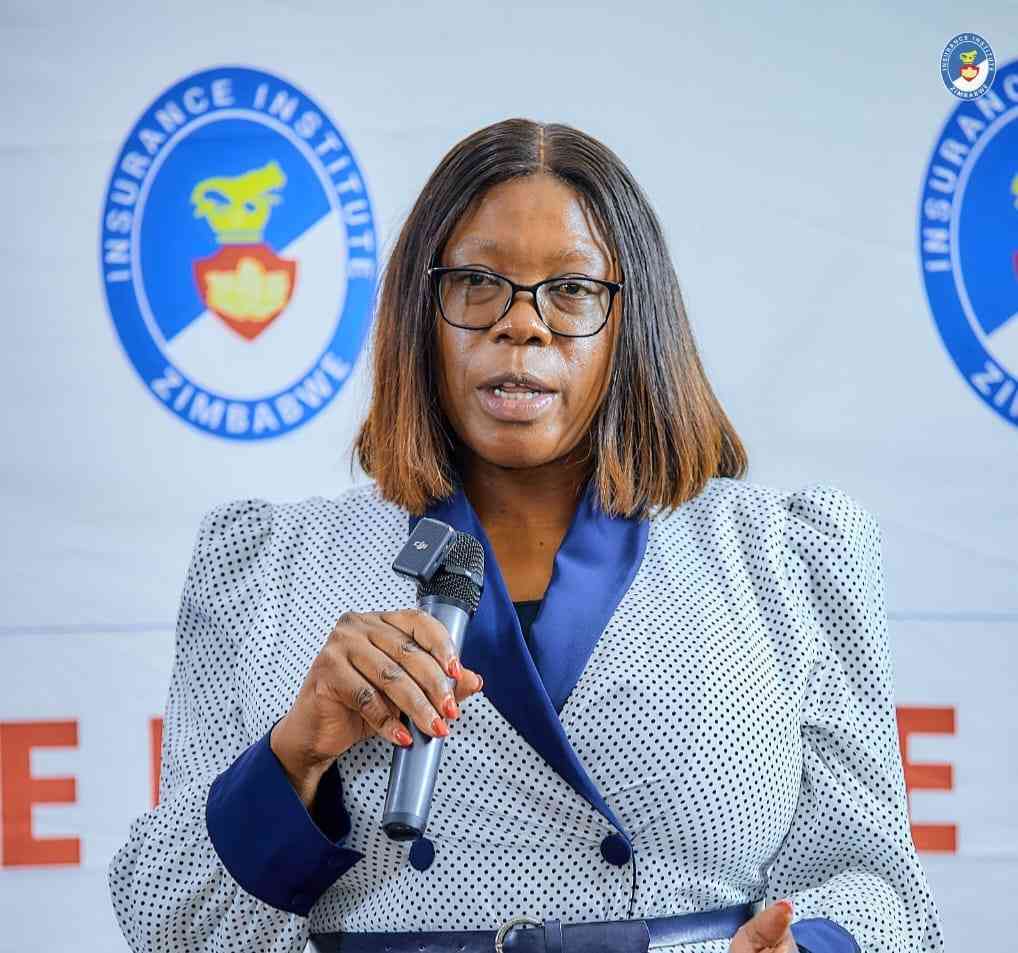
In an interview with NewsDay Business, IIZ president Clementine Chinyuku revealed that the institute was mapping out strategies for 2026 and introducing new key strategic goals, including the rollout of structured, organisation-specific training programmes.
“We want organisations to understand what we are trying to do, which is to develop skills within organisations, but specifically according to each organisation’s needs,” Chinyuku said.
She added that the institute is also developing courses that are more relevant to the evolving insurance sector and has partnered with the National University of Science and Technology (NUST) to support the development of a professional recognition programme for practitioners.
According to the IIZ boss, the partnership with NUST is ongoing, with the university also assisting in reviewing course material, moderating examinations, and ensuring that standards remain high.
Consequently, several new courses introduced by the institute are now accredited by NUST.
“So, what we have been doing previously is that we are holding courses for topics that we think might be relevant to the industry, but might not necessarily be relevant to a specific institution,” Chinyuku said.
She said this was targeted training for the institutions.
- Another Zim engineer joins F1’s Mercedes
- ‘Poor Zec reputation putting youths off from voting’
- Police warn against starting veld fires
- Electrical fault at NUST graduation ceremony
Keep Reading
“You know that NUST is already running exams there, an established institution in higher learning, so we also borrow from those structures in terms of our syllabus.
“They go through it, and they verify that our material is suitable for the professional and that it’s up to date.”
Chinyuku added that the institute’s core mandate remains training, mentorship, and professional development, ensuring that insurance professionals are well equipped to deal with both existing and emerging risks.
Chinyuku pointed to emerging areas such as insurtech and artificial intelligence as new development areas for an insurance professional, with the institute planning to introduce short courses and masterclasses.
IIZ is also planning on reviving an underwriters’ seminar focused on emerging and evolving risks.
“The idea is to equip our professionals to underwrite, price, and deliver the right products to the market,” Chinyuku said.
She also highlighted that one of the new strategies is the planned launch of an insurance textbook project, which is expected to be completed by October or November later this year.
“We don’t want to be prescriptive,” IIZ general manager Davison Choeni said.
“We want the industry to tell us what the threats and new risks are, and how we can help equip and empower their people (clients). That’s the essence of what we are doing.”
The institute is also encouraging a shift away from traditional insurance products that no longer meet the needs of modern clients.